We Are The UKs Leading Commercial Energy, And Sustainability Consultancy
Government extends energy bill cuts of 25% to 10,000 manufacturers
The Government’s expanded support may reduce some electricity costs for eligible manufacturers, but timing, market conditions, and procurement strategy still determine what businesses actually pay.
Wider Eligibility
More manufacturers may now qualify
Not Immediate
Full impact comes next year
Strategy Matters
Relief supports, not replaces planning
Let Us Contact You:

Featured Energy Consultancy





What is the British Industry Competitiveness Scheme (BICS)?

The British Industry Competitiveness Scheme (BICS) is a UK Government initiative designed to reduce electricity costs for energy-intensive manufacturers by removing a proportion of non-energy costs (NECs) from their bills.
In practice, this includes relief from policy-related charges such as:
Renewables Obligation (RO)
Contracts for Difference (CfD)
Feed-in Tariff (FiT)
Capacity Market costs
By reducing these components, the scheme aims to narrow the gap between UK industrial electricity prices and those in competing international markets.
Eligibility is focused on energy-intensive sectors where electricity costs form a significant proportion of overall operating expenditure. While the recent expansion increases access to over 10,000 businesses, qualification remains dependent on sector classification and energy intensity thresholds.
For those that qualify, BICS will provide a measurable reduction in electricity costs. However, it does not address wholesale energy pricing or broader market volatility, meaning procurement strategy and contract management remain critical.
Timing Lag
The expansion is a positive step, but it is not expected to fully take effect until next year. Many manufacturers are facing renewals now, often in uncertain market conditions. This means exposure to current pricing, contract timing, and supplier terms still requires active management.
Button TextLimited Reach
Although eligibility is increasing, a large number of commercial energy users will remain outside the scheme. High costs are not limited to heavy industry. Mid-market manufacturers, logistics businesses, and property groups continue to feel the impact without direct support.
Button TextStructural Gap
The policy may narrow part of the cost gap, but it does not remove the wider issue facing UK electricity users. Prices remain comparatively high against several international markets, leaving businesses exposed even where some charges are reduced.
Button TextMarket Volatility
Support schemes tend to be reactive and time-bound. Energy risk is ongoing. Without a defined procurement approach, businesses can still buy at the wrong time, lock into poor structures, or miss opportunities when markets shift. Reduced charges do not remove those risks.
Button TextAction Now
Businesses should review contract end dates, termination windows, purchasing structure, and current exposure now rather than waiting for support to take effect. Early planning creates more options, while last-minute decisions often reduce flexibility and increase cost pressure.
Button TextWhat This Means
Commercially
For eligible manufacturers, the announcement should be treated as practical cost relief and factored into forward planning. It supports competitiveness, but it does not replace the need for disciplined procurement, cost control, and clear visibility of market conditions.
For those outside the scheme, the message is just as important. Energy pricing remains high and unpredictable. A structured review of contracts, consumption, and purchasing approach can highlight risks early and support better decisions before renewal pressure builds. Review now
How We | Do It

Advantage Utilities
10,000+
£40/MWh
6 to 18 months
Next year
Why Strategy Still Matters Most
The expansion of support reflects a clear position from Government. Energy costs remain a competitiveness issue for UK industry, and targeted intervention has a role to play. For qualifying businesses, this may provide useful relief against certain non-commodity charges. It is a helpful step, but not a complete solution to wider pricing pressure.
Strong outcomes on energy costs rarely come from policy alone. They come from managing procurement as an ongoing commercial process. That includes understanding contract timing, selecting the right structure for the organisation’s risk profile, tracking market movement, and avoiding rushed decisions at renewal. Acting early generally creates more control and better options.
The immediate priority is to understand your current position. Review contract terms, exposure to market conditions, likely eligibility, and where consumption or billing controls may improve cost visibility. Whether support applies or not, a defined strategy is what protects budgets, reduces avoidable risk, and supports better decisions in a volatile market.

Why Advantage Utilities
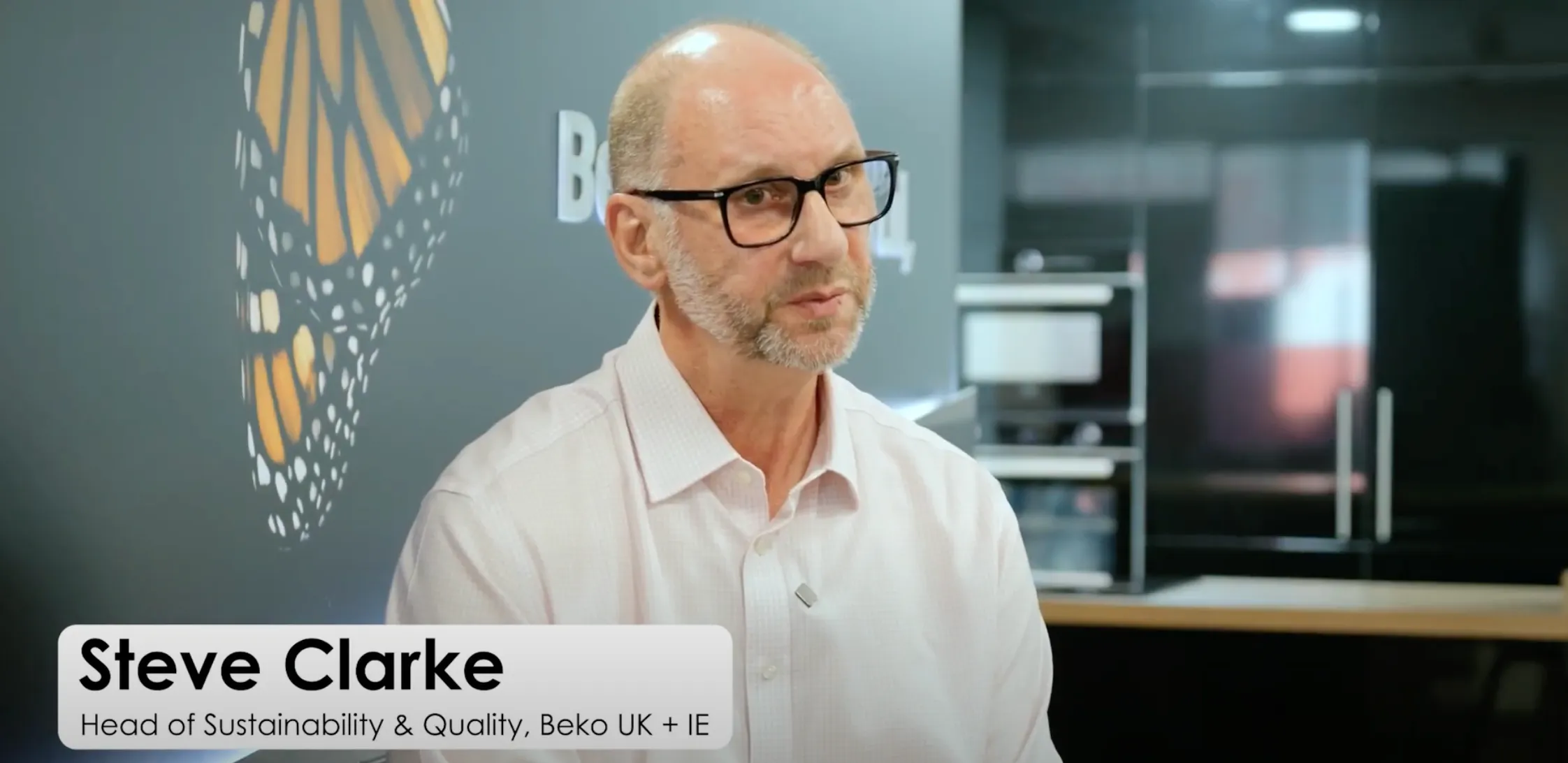
Assess. Optimise. Manage.
What Our Customers Think About Us
Specialist Services










What Our Clients Say About Us
"Advantage not only offered a fully encompassing solution but took over and executed this perfectly. The board have been extremely pleased with the prices Advantage have gained for us and the company has managed to reduce its energy costs by 28% in the first year."
The Group Finance Director
The Caro Group
"You offer a 'drop everything' level of service for all our needs with a single point of contact for us to speak with who understands us and how we work. That attribute is very rare in most companies."
Patrick Flynn, Senior Manager
The Urang Group
"Not only has my account manager allowed me to streamline my utilities, he has made my life so much easier. We achieved an overall 30-40% saving on our bills which made my bosses happy. It's people like him that give companies good names and will keep customers coming back."
Frankie Williamson
EQTR
"I was worried I was going to have a stressful situation on my hands which could have ended up in court — but Advantage Utilities resolved everything for me and managed to secure a considerable refund for me. What a relief!"
Melissa Maini, Director
Commercial & Co.

Get In Touch