ENERGY MANAGEMENT GUIDE FOR UK MANUFACTURERS
How to Reduce Energy Costs in UK Manufacturing
Discover practical strategies to reduce factory electricity and gas costs, improve energy efficiency and make smarter energy purchasing decisions.
Let Us Contact You:

Featured Energy Consultancy





A Practical Guide to Reducing Manufacturing Energy Costs
Energy is one of the most significant operating expenses for many UK manufacturing businesses. Electricity powers machinery, production lines, ventilation and refrigeration, while gas supports heating and energy-intensive industrial processes.
With energy prices, operational demands and production costs placing increasing pressure on manufacturers, finding opportunities to reduce energy expenditure is essential.
An effective business energy cost reduction strategy requires more than simply switching energy suppliers. Manufacturers need to understand both how energy is purchased and how it is consumed across their facilities.
This guide explores six practical ways to reduce factory energy costs, improve operational efficiency and build a more effective energy management strategy.

Identify Where Your Factory Uses the Most Energy
Understanding where energy is consumed is the first step towards achieving meaningful commercial energy savings.
A commercial energy audit can help manufacturers identify inefficiencies across their facilities by assessing areas such as:
- Production machinery and manufacturing equipment
- Heating, ventilation and air conditioning systems
- Compressed air systems and distribution networks
- Factory lighting and refrigeration
- Industrial processes and production lines
Analysing energy consumption alongside production volumes, operating hours and manufacturing schedules can also highlight where energy is being wasted.
For example, machinery operating outside production hours or compressed air systems running unnecessarily can contribute to avoidable electricity costs.
By identifying the areas with the highest consumption, manufacturers can prioritise improvements that offer the greatest potential for savings.

Improve the Energy Efficiency of Existing Equipment
Reducing factory energy costs does not always require expensive equipment replacements. In many cases, improving the efficiency of existing machinery and infrastructure can deliver valuable commercial energy savings.
Manufacturers should consider the following improvements:
Optimise Compressed Air Systems
Identify air leaks, reduce unnecessary system pressure and ensure compressors are switched off when they are not required.
Review Motor Efficiency
Assess whether variable speed drives could reduce electricity consumption in suitable applications, particularly where equipment operates under varying loads.
Improve Heating System Efficiency
Review insulation, heating controls and equipment maintenance to minimise unnecessary gas consumption.
Upgrade Factory Lighting
Replace inefficient lighting fittings with LED alternatives and introduce occupancy controls in areas where lighting is not required continuously.
Review Operating Schedules
Align equipment operating times with production requirements and implement regular maintenance to prevent unnecessary energy consumption.
Small operational improvements, when applied across an entire facility, can contribute to a wider energy efficiency strategy.

Review Your Business Energy and Gas Procurement Contracts
Improving energy efficiency is only one part of reducing manufacturing energy expenditure. The way a business purchases electricity and gas can also have a significant impact on its overall energy costs.
Manufacturers should regularly review whether their existing energy contracts reflect their consumption profile, budget requirements and appetite for market risk.
Two common commercial energy procurement strategies include:
Fixed Energy Contracts
Fixed contracts provide greater price certainty by agreeing energy rates for a specified contract period. This can help manufacturers manage budgets and reduce exposure to market price fluctuations during the contract.
Flexible Energy Procurement
Flexible contracts allow businesses to purchase energy at different points in the market, depending on their procurement strategy and market conditions.
The most suitable approach depends on factors such as energy consumption, business requirements, financial priorities and tolerance for market volatility.
Working with an experienced UK energy consultancy can help manufacturers assess their procurement options and develop a strategy for reducing electricity and gas costs.
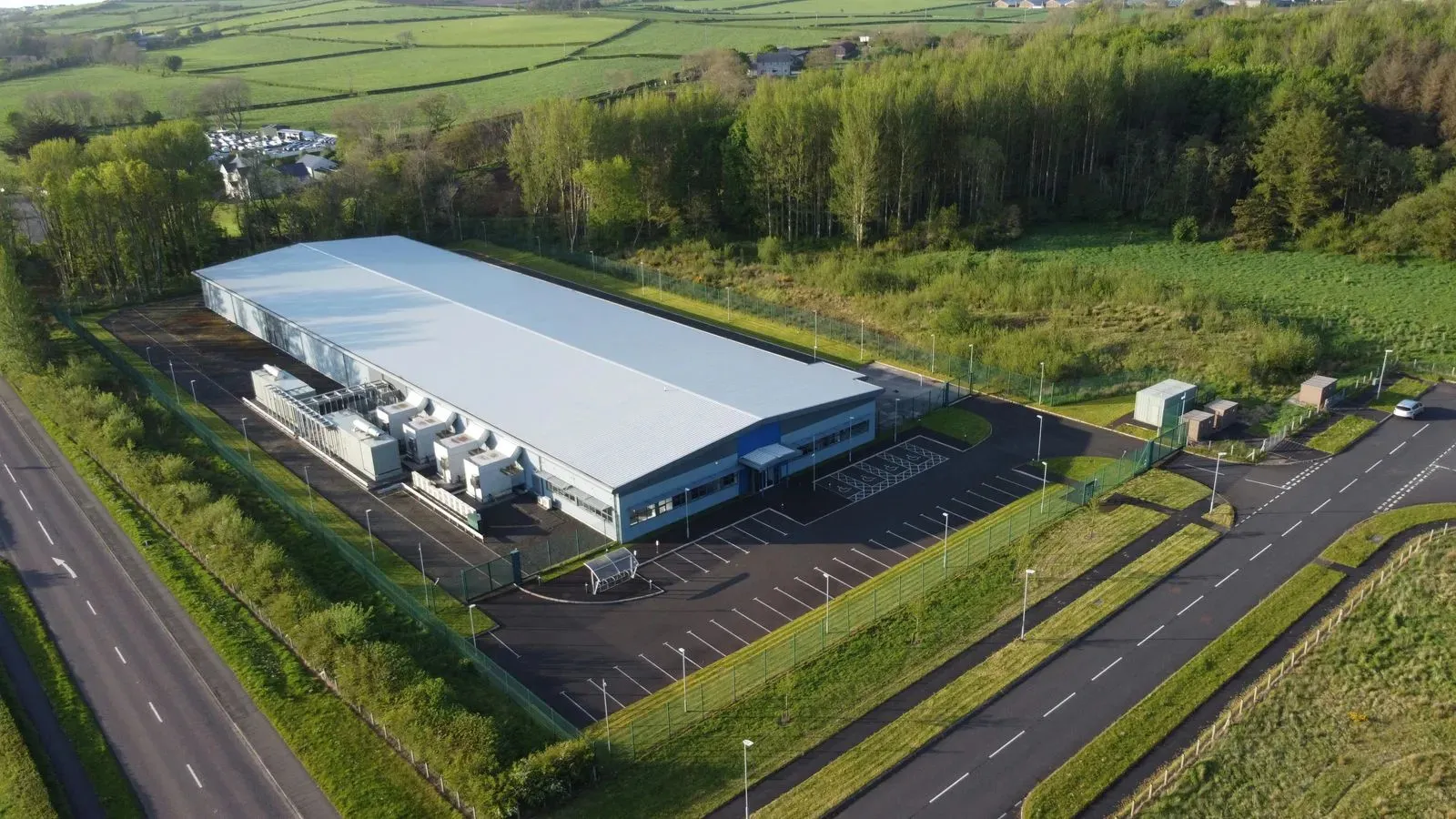
Explore Onsite Energy Generation Opportunities
Generating electricity onsite can help manufacturers reduce their reliance on purchased energy and support their wider energy management strategy.
Solar photovoltaic (PV) systems are one option worth considering, particularly for factories with suitable roof space or available land.
The potential benefits of onsite solar generation include:
- Reducing reliance on electricity purchased from the grid.
- Generating electricity during daylight operating hours.
- Improving control over a proportion of long-term energy costs.
- Supporting wider business sustainability objectives.
However, the commercial viability of a solar installation depends on several factors, including installation costs, available roof space, electricity consumption patterns, system capacity and expected financial returns.
A feasibility assessment can help establish whether onsite generation is a commercially suitable investment for a particular manufacturing facility.
Check Available Energy Funding and Government Support
Government funding schemes and energy support initiatives can provide opportunities for eligible manufacturers to manage energy expenditure and support industrial competitiveness.
Two schemes worth understanding include:
British Industrial Competitiveness Scheme (BICS)
The British Industrial Competitiveness Scheme is designed to support eligible energy-intensive manufacturing businesses by reducing qualifying electricity costs.
Manufacturers should review the scheme's eligibility criteria, qualifying sectors and application requirements to establish whether their business may benefit.
British Industry Supercharger
The British Industry Supercharger is a government support package designed to improve the electricity cost competitiveness of eligible energy-intensive industries.
The package includes measures intended to reduce certain electricity-related costs for qualifying businesses.
Eligibility, available support and application requirements vary between schemes. Manufacturers should always check the latest government guidance before making investment or budgeting decisions.
An energy consultancy with experience supporting UK manufacturers can help assess potential eligibility and provide guidance on relevant applications and administration.
Monitor Energy Performance Against Production
Effective energy management requires manufacturers to understand how energy consumption changes alongside their production activities.
Monitoring electricity and gas usage against production volumes, operating hours and individual processes can help identify inefficiencies that may otherwise go unnoticed.
For example, half-hourly electricity consumption data can reveal:
- Unexpected increases in electricity demand.
- Equipment consuming energy outside production hours.
- Unusual consumption patterns and peak demand periods.
- Opportunities to optimise machinery operating schedules.
- Changes in energy performance following efficiency improvements.
Regular monitoring also allows manufacturers to measure the impact of operational changes and identify further opportunities for reducing electricity and gas costs.
Advantage Utilities can support manufacturing businesses with the implementation and analysis of energy monitoring platforms, helping them make more informed decisions about energy consumption.
Take a More Strategic Approach to Manufacturing Energy Management
Meaningful business energy cost reduction rarely comes from a single change. For manufacturers, the greatest opportunities often come from combining smarter energy procurement, improved operational efficiency and ongoing consumption monitoring.
Understanding where energy is being used, reviewing purchasing strategies, assessing onsite generation and exploring available government support can help businesses develop a more effective approach to managing energy expenditure.
Advantage Utilities supports UK manufacturing businesses with a range of energy management services, including:
- Commercial electricity and gas procurement.
- Energy audits and consumption assessments.
- Energy monitoring and performance analysis.
- Energy efficiency improvement strategies.
- Government funding and scheme assessments.
Whether you are reviewing an existing energy contract or looking for opportunities to improve factory efficiency, our team can help you take a more informed approach to managing your business energy costs.
Advantage Utilities
£2bn+
22,000+
21%
1:1
Energy Specialist Services











What Our Clients Say About Us
"Advantage not only offered a fully encompassing solution but took over and executed this perfectly. The board have been extremely pleased with the prices Advantage have gained for us and the company has managed to reduce its energy costs by 28% in the first year."
The Group Finance Director
The Caro Group
"You offer a 'drop everything' level of service for all our needs with a single point of contact for us to speak with who understands us and how we work. That attribute is very rare in most companies."
Patrick Flynn, Senior Manager
The Urang Group
"Not only has my account manager allowed me to streamline my utilities, he has made my life so much easier. We achieved an overall 30-40% saving on our bills which made my bosses happy. It's people like him that give companies good names and will keep customers coming back."
Frankie Williamson
EQTR
"I was worried I was going to have a stressful situation on my hands which could have ended up in court — but Advantage Utilities resolved everything for me and managed to secure a considerable refund for me. What a relief!"
Melissa Maini, Director
Commercial & Co.

Speak With Us
We understand the complexities of navigating your energy, book in a time to speak with us below
Book A Consultation
Get In Touch